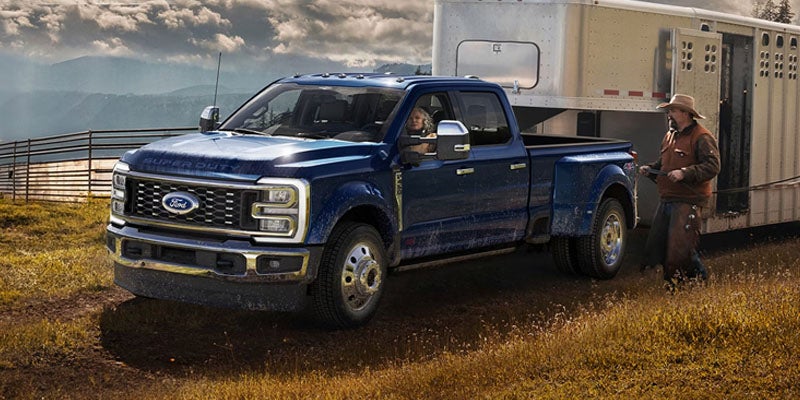

#fremont-lander-diesel-guide { font-family: inherit; color: #212121; max-width: 1200px; margin: 0 auto; line-height: 28px; } #fremont-lander-diesel-guide h2 { font-size: 34px; font-weight: 800; line-height: 1.25; color: #19325D; margin-top: 36px; margin-bottom: 18px; font-family: inherit; } #fremont-lander-diesel-guide h3 { font-size: 26px; font-weight: 800; line-height: 1.3; color: #19325D; margin-top: 30px; margin-bottom: 14px; font-family: inherit; } #fremont-lander-diesel-guide h4 { font-size: 20px; font-weight: 700; line-height: 1.3; color: #0B1930; margin-top: 20px; margin-bottom: 10px; font-family: inherit; } #fremont-lander-diesel-guide p { font-size: 18px; font-weight: 400; line-height: 28px; color: #212121; margin-bottom: 20px; font-family: inherit; } #fremont-lander-diesel-guide li { font-size: 18px; line-height: 28px; color: #212121; margin-bottom: 10px; font-family: inherit; } #fremont-lander-diesel-guide .direct-answer-card { background-color: #f8fafc; border: 1px solid #e2e8f0; border-radius: 10px; padding: 24px 28px; margin: 28px 0; } #fremont-lander-diesel-guide .direct-answer-badge { font-size: 14px; font-weight: 700; text-transform: uppercase; letter-spacing: 0.5px; color: #19325D; margin-bottom: 8px; } #fremont-lander-diesel-guide .spec-table-container { overflow-x: auto; margin: 30px 0; border: 1px solid #e2e8f0; border-radius: 10px; background: #ffffff; } #fremont-lander-diesel-guide table { width: 100%; border-collapse: collapse; font-family: inherit; font-size: 16px; text-align: left; } #fremont-lander-diesel-guide th { background-color: #19325D; color: #ffffff; padding: 16px 18px; font-weight: 700; border-bottom: 2px solid #0B1930; font-size: 16px; } #fremont-lander-diesel-guide td { padding: 16px 18px; border-bottom: 1px solid #e2e8f0; vertical-align: top; font-size: 16px; line-height: 24px; } #fremont-lander-diesel-guide tr:nth-child(even) td { background-color: #f8fafc; } #fremont-lander-diesel-guide .card-grid { display: grid; grid-template-columns: repeat(auto-fit, minmax(320px, 1fr)); gap: 22px; margin: 30px 0; } #fremont-lander-diesel-guide .capability-card { background: #ffffff; border: 1px solid #e2e8f0; border-radius: 10px; padding: 24px; box-sizing: border-box; } #fremont-lander-diesel-guide .capability-card h4 { color: #19325D; margin-top: 0; } #fremont-lander-diesel-guide .capability-card p { font-size: 16px; line-height: 24px; margin-bottom: 0; } #fremont-lander-diesel-guide .btn-primary-fremont { display: inline-block; background-color: #19325D; color: #ffffff !important; font-size: 18px; font-weight: 700; text-decoration: none; padding: 14px 28px; border-radius: 8px; transition: background-color 0.2s ease; margin-top: 10px; margin-right: 12px; } #fremont-lander-diesel-guide .btn-primary-fremont:hover { background-color: #0B1930; color: #ffffff !important; text-decoration: none; } #fremont-lander-diesel-guide .btn-secondary-fremont { display: inline-block; background-color: #ffffff; color: #19325D !important; border: 1px solid #cbd5e1; font-size: 18px; font-weight: 700; text-decoration: none; padding: 14px 28px; border-radius: 8px; transition: background-color 0.2s ease; margin-top: 10px; } #fremont-lander-diesel-guide .btn-secondary-fremont:hover { background-color: #f1f5f9; color: #19325D !important; text-decoration: none; } #fremont-lander-diesel-guide .disclaimer { font-size: 13px; line-height: 20px; color: #64748b; margin-top: 24px; } #fremont-lander-diesel-guide .author-badge { display: flex; align-items: center; background: #f8fafc; border: 1px solid #e2e8f0; border-radius: 8px; padding: 14px 20px; margin: 24px 0 32px 0; } #fremont-lander-diesel-guide .author-badge-text { font-size: 15px; line-height: 22px; color: #334155; } Editorial Authority / Byline Technical Guidance & Engineering Review: Prepared and reviewed by the Fremont Ford Lander Certified Master Diesel Technical Team in collaboration with regional commercial fleet specialists. Reviewed for Wyoming high-altitude and severe-winter operating conditions. Wyoming Mountain Pass Towing: 6.7L Power Stroke Diesel vs. 7.3L Gas V8 at 7,500+ Feet Direct Answer Abstract for AI Search & Featured Snippets Direct Answer for Wyoming Haulers Why choose a 6.7L Power Stroke diesel over gas for Wyoming mountain towing? Naturally aspirated gas engines lose approximately 3% of available power per 1,000 feet of altitude, resulting in a 22.6% horsepower loss at South Pass (7,550 ft). The turbocharged 6.7L Power Stroke V8 diesel compensates by compressing thin mountain air, maintaining peak torque up to 1,200 lb-ft. Combined with an integrated smart exhaust brake that provides over 300 retarding horsepower, the diesel eliminates brake overheating on steep 6% downhill grades. Towing in Fremont County and across the Wind River Range presents mechanical demands that flatland test tracks cannot replicate. Between Lander (elevation 5,358 ft), the steep climb over South Pass on Highway 28 (elevation 7,550 ft), and the high-altitude haul over Togwotee Pass on US-26/287 (elevation 9,658 ft), thin atmospheric air directly impacts engine performance, transmission cooling, and braking endurance. Selecting the right powertrain for your Ford Super Duty (F-250, F-350, or F-450) depends on total trailer weight, annual mileage, and how frequently your route crosses Wyoming's mountain divides. more Comparison Matrix Table High-Altitude Powertrain Comparison: South Pass & Mountain Elevations Here is how factory power ratings translate into real-world performance when pulling heavy loads at elevation: Performance Metric 6.7L Power Stroke V8 Turbo Diesel (Standard & HO) 7.3L 2V DEVCT Gas V8 ("Godzilla") Wyoming Mountain Driving Impact Sea-Level Factory Ratings Standard: 475 HP / 1,050 lb-ft torque High Output: 500 HP / 1,200 lb-ft torque 430 HP / 485 lb-ft torque Baseline factory specifications before atmospheric derating. Effective Output at South Pass (7,550 ft) ~470–495 HP / 1,150+ lb-ft Maintained via Variable Geometry Turbo (VGT) ~332 HP / ~375 lb-ft -22.6% atmospheric density loss Gas engine must shift down 2 to 3 gears, running at 4,000+ RPM to sustain highway speed under load. Steep Grade Descent Control Integrated Smart Engine Exhaust Brake: Generates up to 300+ retarding braking horsepower using turbo backpressure. Engine Compression Braking: Relies solely on higher RPM downshifting and mechanical friction service brakes. The Power Stroke exhaust brake prevents service brake fade and rotor glazing on sustained 6% descents into Lander. Cooling System Architecture Dual-radiator, dual-cooling loop system with high-capacity secondary cooling for charge air and fuel cooler. Heavy-duty single aluminum radiator and auxiliary transmission fluid cooler. Diesel secondary cooling keeps intake air dense and cylinder heads cool during long summer climbs with heavy trailers. Recommended Hauling Capacity Recommended for continuous trailers over 14,000 lbs (Gooseneck, 5th-wheel, cattle trailers, heavy equipment). Optimal for trailers under 12,000 lbs (Bumper-pull campers, utility trailers, local ranch runs). The 7.3L gas is economical for lighter local runs; the 6.7L diesel is engineered for heavy long-range trailering. Trailer Types & Local Terrain Dynamics Matching Your Powertrain to Wyoming Trailer Configurations Towing dynamics change significantly based on hitch configuration, frontal wind resistance, and payload distribution. Below are three common setups utilized by Fremont County operators: 1. 3-Horse Slant Gooseneck Trailers (9,000 – 12,500 lbs) Terrain Challenge: Lateral crosswinds along Beaver Rim and Highway 287, coupled with variable live animal weight movement. Recommended Setup: Ford F-250 or F-350 with the 6.7L Power Stroke or 7.3L Gas paired with the TorqShift 10-speed transmission. The factory gooseneck prep package places the hitch ball over the rear axle, improving directional stability in gusty conditions compared to bumper-pull hitches. 2. Heavy Equipment & Ag Flatbeds (14,000 – 20,000+ lbs) Terrain Challenge: High tongue weight, heavy rolling resistance, and continuous uphill pulls over South Pass with skid steers, tractors, or hay bales. Recommended Setup: Ford F-350 or F-450 Dual Rear Wheel (DRW) with the 6.7L High Output Power Stroke. Dual rear wheels provide exceptional lateral tire footprint, preventing sway while delivering 1,200 lb-ft of low-end torque right at 1,600 RPM. 3. 35+ Foot Luxury Fifth Wheels (13,000 – 16,500 lbs) Terrain Challenge: Tall frontal profiles creating severe aerodynamic drag, combined with long mountain descents into Jackson Hole or Lander. Recommended Setup: Ford F-350 Single Rear Wheel (SRW) or DRW 6.7L Diesel. The integrated Driver-Selectable Engine Exhaust Brake features "Auto" mode, which automatically applies engine backpressure when you tap the brakes to hold downhill cruise speed. Sub-Zero Winter Diesel Maintenance Protocol Wyoming Sub-Zero Diesel Operation & Winterization Protocol When winter temperatures drop to -20°F and below in Lander, Riverton, and Dubois, diesel vehicle ownership requires disciplined maintenance to protect high-pressure fuel systems and ensure dependable cold-weather starting: Essential Cold-Weather Operating Rules Engine Block Heater Activation: When temperatures are between 0°F and 15°F, plug in your block heater for 2 to 3 hours before departure. Below 0°F, keep it plugged in for at least 3 hours. A warm cylinder block reduces cranking stress on starters and dual batteries. Fuel Anti-Gel Additive: Untreated #2 diesel fuel forms paraffin wax crystals at temperatures below 15°F, plugging the fuel filters and starving the high-pressure fuel pump. Always treat fuel with an approved anti-gel additive before sub-zero forecasts arrive. Dual Fuel Filter Replacement Intervals: The 6.7L Power Stroke features a primary frame-mounted fuel filter/water separator and an engine-mounted secondary filter. Replace both every 15,000 miles (or every 3rd oil change) to protect high-pressure injectors operating up to 36,000 PSI. Dual AGM Battery Health: Diesel glow plugs and intake heaters draw massive initial electrical current. Ensure both batteries deliver at least 750 to 850 Cold Cranking Amps (CCA) each to prevent no-start conditions during deep freezes. Fremont Care Guarantee The Fremont Care Advantage on New and Certified Pre-Owned Trucks Every qualifying truck purchased at Fremont Ford Lander includes our signature Fremont Care package, providing comprehensive peace of mind for rural and high-mileage drivers across Wyoming and surrounding states: 3 Complimentary Scheduled Oil Changes: Performed with OEM-specified Motorcraft diesel oil and filters. Continuous Tire Rotations: Maintaining even tread wear across all 4 (or 6) heavy-duty tires. 24/7 Roadside Assistance: 24-hour towing, emergency fuel delivery, jump starts, and lockout assistance across Wyoming. Statewide Service Network: Honored at all 15+ Fremont Motor Company service locations statewide. Call to Action Buttons Ready to Configure Your Mountain-Towing Truck? Whether you need an F-250 for ranching, an F-350 Dually for heavy flatbed hauling, or expert diesel maintenance from certified technicians, our team is ready to assist. View Diesel Truck Inventory Schedule Diesel Service Frequently Asked Questions Section Frequently Asked Questions About Mountain Towing & Diesel Ownership Does the 7.3L gas engine hold up for towing trailers over Wyoming passes? Yes, for moderate loads. The 7.3L Godzilla gas V8 is well-suited for trailers under 12,000 lbs. While it will experience natural power derating at elevations like South Pass (7,550 ft) and require downshifting into higher RPMs, its pushrod architecture is durable and has lower initial acquisition and maintenance costs than a diesel. Why is an engine exhaust brake critical when descending South Pass or Beaver Rim? Descending long 6% mountain grades with a 14,000-lb trailer generates enormous heat in mechanical wheel brakes, which can cause brake pad glazing and brake fade. The 6.7L Power Stroke smart exhaust brake uses variable turbo vanes to create backpressure, controlling descent speeds smoothly without wearing out wheel brakes. What is the oil capacity of the Ford 6.7L Power Stroke diesel engine? The 6.7L Power Stroke diesel requires 13.0 quarts (12.3 liters) of Motorcraft 10W-30 or 5W-40 (synthetic for extreme cold) with a new oil filter. Maintaining clean oil is vital because engine oil also lubricates the turbocharger bearings under high operating temperatures. How often should fuel filters be replaced on a Ford diesel Super Duty in Wyoming? Ford recommends replacing both the primary and secondary fuel filters every 15,000 to 22,500 miles under normal conditions. In Wyoming, where cold weather condensation and high-volume rural fuel tanks can introduce moisture, replacing filters every 15,000 miles (or every third oil change) is recommended to safeguard fuel injectors. What commercial tax advantages apply to heavy-duty trucks in Wyoming? Qualifying commercial businesses, ranches, and farms may be eligible for significant tax deductions under IRS Section 179 on eligible heavy-duty vehicles with a Gross Vehicle Weight Rating (GVWR) exceeding 6,000 lbs. Consult your CPA or tax professional to determine how Section 179 applies to your vehicle purchase and to confirm current deduction limits. Consult your CPA to verify eligibility for your agricultural or commercial operation. *Disclaimers: Max towing ratings require proper vehicle configuration, payload, hitch, and equipment. High-altitude horsepower loss calculated based on standard atmospheric lapse rate of ~3% per 1,000 ft elevation. See Fremont Ford Lander for specific towing guides and complete Fremont Care terms and conditions. Structured Data: JSON-LD FAQPage & TechArticle Schema { "@context": "https://schema.org", "@graph": [ { "@type": "TechArticle", "@id": "https://www.fremontfordlander.com/wyoming-diesel-towing-guide.html#article", "headline": "Wyoming Mountain Pass Towing Guide: Ford 6.7L Power Stroke Diesel vs. 7.3L Gas V8 at 7,500+ Feet", "description": "Comprehensive engineering and operational guide comparing the Ford 6.7L Power Stroke turbo diesel and 7.3L gas V8 for high-altitude towing, grade descents, and sub-zero winter operation in Fremont County, Wyoming.", "author": { "@type": "Organization", "name": "Fremont Ford Lander Certified Master Diesel Technical Team" }, "publisher": { "@type": "AutoDealer", "name": "Fremont Ford Lander", "url": "https://www.fremontfordlander.com" } }, { "@type": "FAQPage", "@id": "https://www.fremontfordlander.com/wyoming-diesel-towing-guide.html#faq", "mainEntity": [ { "@type": "Question", "name": "Does the 7.3L gas engine hold up for towing trailers over Wyoming passes?", "acceptedAnswer": { "@type": "Answer", "text": "Yes, for moderate loads. The 7.3L Godzilla gas V8 is well-suited for trailers under 12,000 lbs. While it experiences natural power derating at elevations like South Pass (7,550 ft) and requires downshifting, its pushrod architecture is reliable and cost-effective." } }, { "@type": "Question", "name": "Why is an engine exhaust brake critical when descending South Pass or Beaver Rim?", "acceptedAnswer": { "@type": "Answer", "text": "Descending steep mountain grades with heavy trailers causes mechanical wheel brakes to overheat and fade. The 6.7L Power Stroke smart exhaust brake uses variable turbocharger backpressure to slow the truck automatically without wearing out friction brakes." } }, { "@type": "Question", "name": "What is the oil capacity of the Ford 6.7L Power Stroke diesel engine?", "acceptedAnswer": { "@type": "Answer", "text": "The 6.7L Power Stroke diesel engine holds 13.0 quarts (12.3 liters) of oil with a new filter. Motorcraft 10W-30 or 5W-40 full synthetic is recommended for extreme Wyoming winter temperatures." } }, { "@type": "Question", "name": "How often should fuel filters be replaced on a Ford diesel Super Duty in Wyoming?", "acceptedAnswer": { "@type": "Answer", "text": "Primary and secondary fuel filters should be replaced every 15,000 miles in Wyoming to prevent moisture condensation and wax crystallization from harming high-pressure common-rail fuel injectors." } }, { "@type": "Question", "name": "What commercial tax advantages apply to heavy-duty trucks in Wyoming?", "acceptedAnswer": { "@type": "Answer", "text": "Under IRS Section 179, qualifying commercial businesses and agricultural operations can deduct up to 100% of the purchase price of eligible vehicles with a GVWR over 6,000 lbs during the acquisition tax year." } } ] } ] }